Neuro ICU & Critical Care
State-of-the-art neuro-critical care and intensive monitoring — because surgical excellence must be matched by exceptional post-operative management.
World-Class Neuro-ICU Facility
A great neurosurgical operation is only as good as the critical care that follows it. At Fortis Hospital, Manesar, our dedicated Neuro-Critical Care Unit (Neuro-ICU) is staffed 24/7 by trained neurointensivists and neuro-nursing teams equipped to manage the most complex post-operative and acute neurological cases.
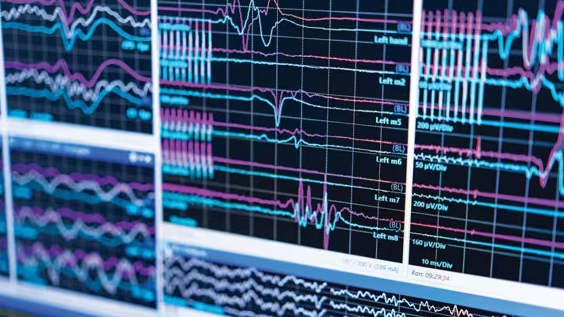 State-of-the-art Neuro-ICU — continuous ICP and multi-parameter monitoring
Intracranial Pressure (ICP) Monitoring System
Our Neuro-ICU is equipped with dedicated Intracranial Pressure (ICP) monitoring systems — an essential tool in the management of severe traumatic brain injury, post-operative brain swelling, subarachnoid haemorrhage, and any condition where raised intracranial pressure threatens the brain. A thin pressure catheter is placed into the brain's ventricle or parenchyma, providing continuous real-time readout of intracranial pressure on the bedside monitor. This allows the intensivist team to detect dangerous pressure rises immediately and institute targeted treatment — before irreversible brain damage occurs. ICP monitoring, combined with cerebral perfusion pressure (CPP) management, represents the current gold standard in neurocritical care for severe brain injury and is available at our centre 24 hours a day, 7 days a week.
Continuous Multi-Parameter Monitoring
Continuous monitoring of ICP, CPP, arterial blood pressure, oxygen saturation, EEG (seizure detection), temperature, and cardiac function at every Neuro-ICU bedside. Early warning systems alert nursing staff to any deterioration in real time.
Neurocritical Care Expertise
24/7 intensivist coverage with specific training in neurological critical care. Management of post-operative craniotomy patients, stroke, brain haemorrhage, status epilepticus, Guillain-Barré, myasthenic crisis, and acute spinal cord injury.
Advanced Ventilatory Support
State-of-the-art mechanical ventilators with lung-protective strategies, high-frequency modes, and non-invasive ventilation options. Weaning protocols specifically designed for neurological patients to minimise ventilator-associated complications.
24/7 Emergency Response
Any neurological emergency — sudden deterioration, seizures, re-bleeding, airway compromise — is responded to within minutes by the on-site Neuro-ICU team. Dr. Agarwal is available 24/7 for emergency consultation and re-operation when required.
Goal-Directed Neurocritical Care
Our ICU follows internationally recognised neurocritical care protocols — targeting optimal cerebral perfusion pressure, normothermia, normonatraemia, normoglycaemia, and prevention of secondary brain insults. Every parameter is optimised for the brain.
Multidisciplinary Team
Seamless collaboration between neurosurgeons, neurologists, neurointensivists, neuroradiologists, physiotherapists, speech therapists, and rehabilitation specialists — ensuring that the patient's journey from ICU to discharge is coordinated and continuous.